Interview with a Pro Gamer: Insights and Tips for Aspiring Competitors
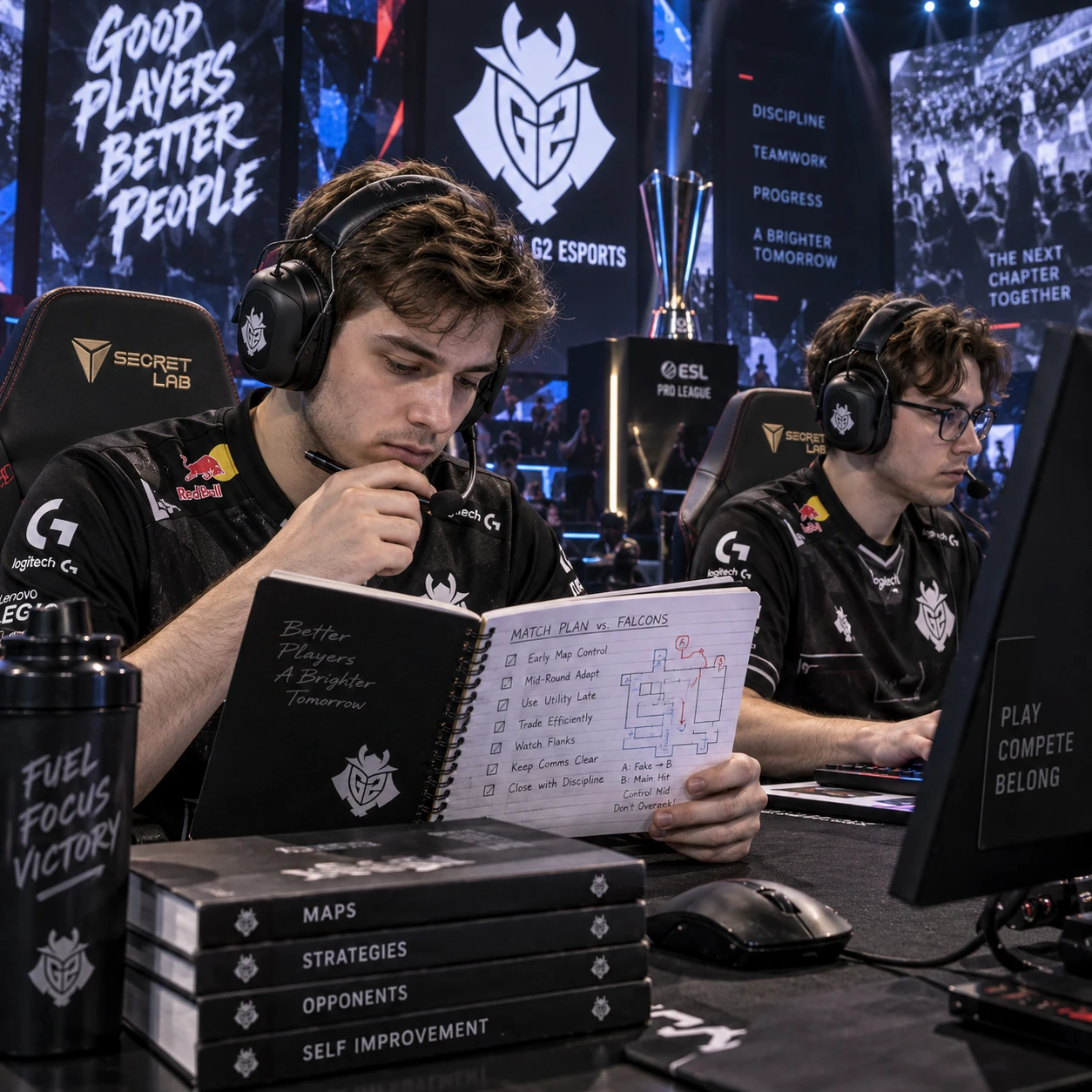
What does it take to turn a love of games into serious competition? For this interview, we spoke with “Maya Chen,” a fictional composite pro gamer whose experiences reflect common challenges in team-based esports. Her advice is grounded in the day-to-day work behind tournament play: deliberate practice, honest performance review, clear team communication, and learning to compete without sacrificing wellbeing.
Maya plays a tactical team shooter as a support and shot-caller. Her path offers a realistic view of competitive gaming: progress comes through repeatable habits and good decisions, while a professional career remains uncertain and highly dependent on a player’s game, team, and circumstances.
Meet the Pro Gamer
A pro gamer competes at a high level through organized teams, leagues, or tournaments, while developing the game knowledge and teamwork needed to perform under pressure. Maya’s role combines mechanical skill with communication and strategic awareness.
“People often notice the highlight plays,” she says. “In my role, the useful work is sometimes quieter: tracking an opponent’s timing, sharing information clearly, and helping the team make a decision before a fight starts.” Her game rewards precise aim, but game mechanics are only one part of the job. Positioning, resource management, map control, and coordination can decide a round before anyone lands a flashy shot.
Maya first joined a local amateur roster after playing online with the same group for several months. A teammate invited her to a small event, where she learned how different a structured match felt from ranked play. “The stakes were still modest, but every mistake had a cost for the whole team. That made me take communication and preparation seriously.”
Her experience also shows why a pro gamer’s role is not one-size-fits-all. A solo competitor may focus heavily on individual decision-making, while a team player needs to adapt to shared strategies and different personalities. Both need consistency, curiosity, and a willingness to review mistakes.
From Casual Player to Competitor
Moving from casual play to competitive gaming starts with choosing a game and format you genuinely want to study, then testing your skills in organized matches. Rank can help you find challenging opponents, but it does not automatically prepare you for tournament pressure or team play.
Maya’s first milestone was not a big win. It was finding teammates who showed up consistently, could discuss errors without turning every review into blame, and agreed on how to practice. From there, she entered online community events and local tournaments. Each match gave the group a clearer picture of what needed work.
“Don’t wait until you feel completely ready,” she advises. “Play a small event, then write down what surprised you.” A tournament can reveal gaps that ranked games may not: unclear roles, poor time management between matches, or a strategy that falls apart when the opponent adapts.
Before committing, consider the trade-offs. Competitive schedules can take time away from school, work, family, and rest. Tournament results are uncertain, and many skilled players do not earn a stable living from esports. Keep other priorities in view while you explore competition. Early goals should focus on controllable progress, such as joining a reliable team or improving a specific part of your play, rather than expecting immediate income or recognition.
Training for Consistent Performance
Consistent esports performance comes from focused practice, specific skill goals, and regular performance review, rather than simply logging as many hours as possible. A useful practice routine trains mechanics and decision-making while leaving time to recover.
Maya’s schedule changes around team commitments, but she follows a basic sequence: warm up, practice one or two defined skills, play coordinated matches, then review a small number of key moments. For example, instead of vaguely trying to “aim better,” a player might work on crosshair placement during a short drill and check whether it holds up in matches.
Her review process is deliberately narrow. After a session, she and her teammates select a few rounds and ask:
- What information did we have before the decision?
- What did each player expect the others to do?
- Was the mistake mechanical, strategic, or a communication problem?
- What one adjustment can we test in the next practice?
“If you review everything, you can end up changing everything,” Maya says. That is rarely helpful. A short, repeatable review makes it easier to see whether an adjustment works. Keep notes brief and measurable, such as “call opponent rotations earlier,” rather than writing a long list of faults.
Practice also has limits. Repeating a drill while tired or frustrated can reinforce poor habits, and long sessions do not guarantee improvement. Take breaks, protect sleep, and stop when focus has clearly dropped. The goal is to make quality practice sustainable across weeks, not to win a single day’s training log.
Preparing for Tournaments
Tournament preparation means arriving with a clear game plan, agreed team roles, and a practical routine for the match day. Teams should prepare for likely situations while leaving room to adapt when opponents do something unexpected.
Maya’s team starts by reviewing the tournament format, match schedule, rules, and available information about opponents. They identify a few strategic priorities: which areas of the map matter most, what their opening plan is, and what signals should trigger a change. They avoid building a complicated script for every possible round. “A plan is useful when everyone understands the reason behind it,” she says. “If it breaks, we need to know how to make the next decision.”
Clear team communication is central. Before an event, teammates agree on concise callouts, who makes time-sensitive decisions, and how players can request a pause or reset. In a match, information should be timely and actionable. A calm “two opponents on the west route, one resource used” helps more than a shouted account of everything happening on screen.
On match day, Maya checks equipment and settings early, eats food she knows sits well, and leaves buffer time before playing. The team uses a brief warm-up rather than trying to cram in new strategies at the last minute. This routine reduces avoidable distractions, though it cannot control match outcomes or technical issues.
Handling Pressure and Setbacks
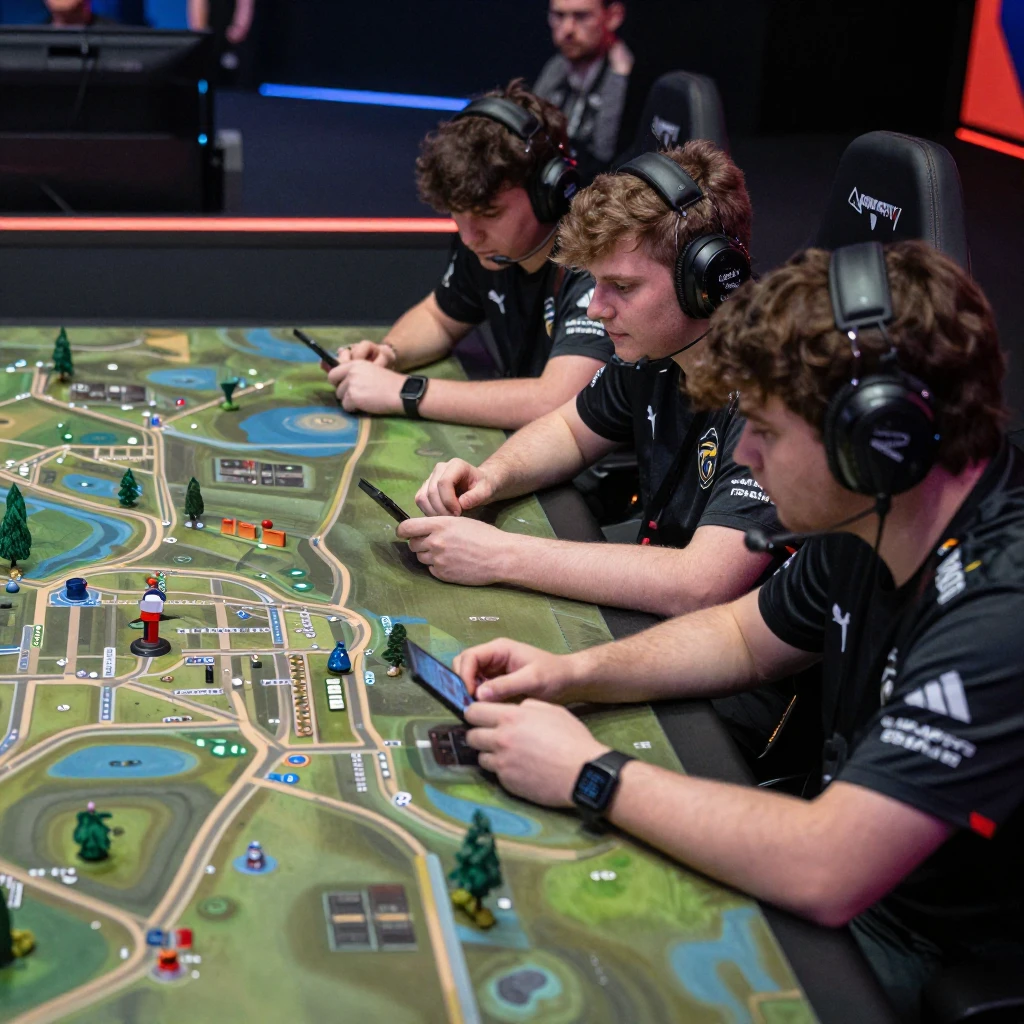
Players handle competitive pressure best by using simple routines, focusing on the next decision, and treating losses as information rather than a verdict on their ability. Mental resilience grows through practice and reflection; it does not mean ignoring frustration or playing through exhaustion.
Maya uses a short reset after a difficult round: take a breath, identify the immediate task, and make one clear call. Between matches, she avoids trying to solve every problem at once. The team records the most important adjustment, then returns attention to the upcoming game.
After a loss, separate the result from the process. Ask whether the team followed its plan, communicated well, and made sound decisions with the information available. Some losses expose a genuine weakness; others come down to a close contest or an opponent’s strong adaptation. A replay can help distinguish the two.
One common mistake is turning performance review into self-criticism. Players do this because harsh judgment can feel like accountability, but it often makes feedback less specific and damages confidence. Replace “I’m terrible at this” with an observable note such as “I used my defensive ability before the opponents committed.” That gives you something concrete to test.
Competitive gaming can also create pressure outside the match. If practice consistently disrupts sleep, work, studies, or relationships, adjust the schedule and seek support where needed. Sustainable competition depends on the person behind the player, not only the result on the scoreboard.
Advice for Aspiring Competitors
Aspiring competitors can get started by choosing a game, building a reliable practice group, entering accessible tournaments, and tracking a few specific improvement goals. Treat early events as learning opportunities, and review whether the competitive routine fits your life.
Maya recommends a simple first-month plan:
- Choose a focus: Pick one game and learn its core mechanics, maps, roles, and current competitive format.
- Find structured play: Join community scrims, amateur leagues, or local events. Look for organizers with clear rules and match schedules.
- Set one weekly goal: Work on a measurable skill, such as earlier information calls or more consistent positioning.
- Review a small sample: Save a few matches and note decisions, not just wins and losses.
- Check the cost: Make sure the time commitment leaves room for rest and responsibilities.
When looking for a team, notice how members handle disagreement. A roster with strong individual players can still struggle if teammates blame each other or ignore agreed roles. Ask about practice expectations, tournament plans, communication norms, and how the team responds after a poor result. Try a short period of organized play before making a major commitment.
“Give yourself a reason to keep learning that isn’t just the next win,” Maya says. A competitive goal can be ambitious, but the steps should stay practical: build skill, meet dependable teammates, enter events, and learn from each one. No routine guarantees a pro contract. It can, however, make you a more thoughtful competitor and help you decide whether the pursuit is right for you.
Frequently Asked Questions
How many hours should an aspiring pro gamer practice?
There is no reliable number that suits every player or game. Start with a schedule you can maintain alongside sleep, work or school, and other responsibilities. Measure progress by the quality of focused practice and review, not hours alone.
What skills matter most in competitive gaming?
Important skills vary by title, but commonly include game mechanics, decision-making, map or game knowledge, communication, adaptability, and mental resilience. Team-based esports also demand role awareness and the ability to coordinate under pressure.
How can new players find a team or tournaments?
Look for community leagues, game-specific competitive groups, local gaming events, and tournament platforms with published rules. Check the organizer’s format and expectations before signing up, and try a low-stakes event to learn how competition works.
How should competitors deal with losing?
Give yourself time to cool down, then review the match for specific decisions and patterns. Separate what you could control from what you could not, choose one useful adjustment, and avoid making sweeping judgments about your ability based on a single result.