Review: The Latest Game — Is It Worth Your Time?
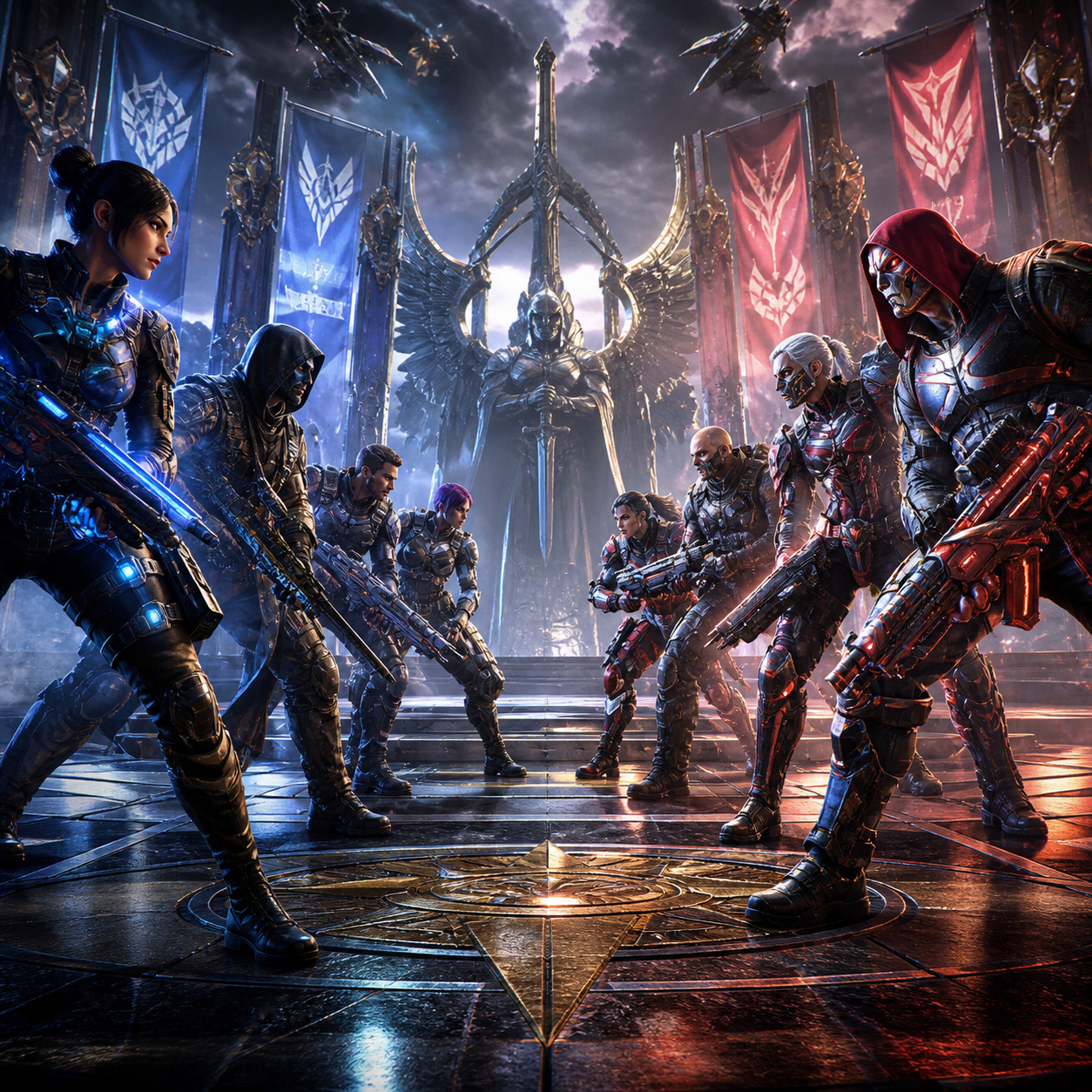
The latest game arrives with an ambitious mix of polished gameplay mechanics, varied game modes, and enough competitive depth to attract both casual players and tournament-minded fans. The real question is whether those strengths justify the time required to learn its systems and work through its progression.
Quick Verdict
The latest game is worth your time if you enjoy skill-based gameplay, gradual mastery, and multiplayer competition. Solo players will find a satisfying core experience, while organized teams may discover genuine tournament potential, although the game’s long-term value depends on how much you enjoy repeating matches and refining your technique.
Its strongest quality is the feel of moment-to-moment play. Controls respond quickly, decisions have visible consequences, and a good match creates a steady rhythm of pressure, adaptation, and payoff. The design rewards attention rather than allowing players to rely on one effective tactic forever.
- Best for: players who enjoy learning systems, competitive multiplayer, and replayable challenges.
- Less suitable for: players seeking a short, purely story-driven adventure or a relaxed experience with little repetition.
- Overall recommendation: give it a serious look, especially if your gaming group wants a title that can support both casual sessions and structured competition.
What Is the Latest Game?
The latest game is a modern action-strategy title built around responsive encounters, team decisions, and repeatable matches. It combines a focused story and campaign with multiplayer modes designed to extend the experience beyond the first completion.
The premise is easy to understand: players enter a conflict where positioning, timing, and resource management matter as much as raw reflexes. That accessible foundation hides a deeper system of abilities, counters, objectives, and role choices. New players can begin without studying a manual, but experienced players have plenty to analyze.
Its main ways to play are divided into three broad areas:
- Campaign: a guided sequence that introduces the world, mechanics, and major encounters.
- Multiplayer: repeatable matches where players test builds, strategies, and teamwork.
- Competitive play: ranked or rule-based formats that emphasize consistency and measurable improvement.
The game is most effective when these parts support one another. Campaign missions teach the vocabulary of play, multiplayer tests that knowledge under pressure, and competitive modes reveal which habits survive against prepared opponents.
Gameplay and Core Mechanics
The gameplay succeeds because its controls are easy to read but difficult to master. Basic actions feel immediate, while advanced play depends on timing, positioning, resource use, and recognizing an opponent’s plan before it fully develops.
Whether a player prefers direct combat or strategic decision-making, the core loop offers meaningful choices. Attacking may create an opening, but it can also expose a weakness. Saving a powerful ability can secure a late objective, yet using it early may prevent a dangerous snowball. These decisions give ordinary encounters more texture than a simple damage race.
The pacing is generally well judged. Matches move quickly enough to maintain urgency, but they usually leave room to adjust after a mistake. That balance matters because overly fast games can feel random, while overly slow games can turn every round into a test of patience.
Difficulty and learning curve
The learning curve is fair, though it is unlikely to feel effortless. Early sessions teach the controls; later sessions demand knowledge of matchups, map routes, cooldowns, and win conditions. Players who dislike repeating a mode to improve may see this as friction. Those who enjoy mastery will treat it as the game’s main attraction.
A useful way to judge the mechanics is the three-question test: Did I make a meaningful decision? Could I explain why I lost? Do I want to try a different approach? The latest game regularly answers yes, particularly once players move beyond its introductory content.
Modes, Progression, and Content
The latest game offers its best value through the combination of campaign content, multiplayer variety, and a progression system that encourages experimentation. The amount of content is respectable, but its lasting appeal depends more on replayability than on the number of missions listed on a menu.
The story and campaign provide a useful introduction to the setting and mechanics. The narrative gives context to the conflict, but it does not always carry the entire experience on its own. Players primarily invested in story may find some sections functional rather than unforgettable. The campaign works better as a foundation for the wider game.
Multiplayer adds the real longevity. Different objectives and team structures change the value of familiar abilities, while rotating challenges can encourage players to revisit modes they might otherwise ignore. Variety helps, but it cannot completely disguise repetitive matchmaking or a progression loop that becomes predictable.
Progression and replayability
The progression system combines skill improvement with unlocks, customization, and increasingly demanding challenges. The healthiest part of that system is the sense that players become better because they understand the game, not only because they have accumulated stronger equipment.
That distinction affects value for money. Cosmetic rewards and account milestones can support a long-term routine, but they should complement strong gameplay rather than replace it. If the core matches remain enjoyable after the major unlocks arrive, the game has durable appeal. If rewards become the only reason to continue, the loop starts to feel like work.
Expect the campaign to provide a finite first experience and multiplayer to supply the open-ended portion. Completion time will vary with difficulty, optional objectives, and the player’s willingness to replay missions. Mastery, meanwhile, can take far longer than completion because understanding the rules is only the first step toward applying them under pressure.
Competitive and Tournament Potential
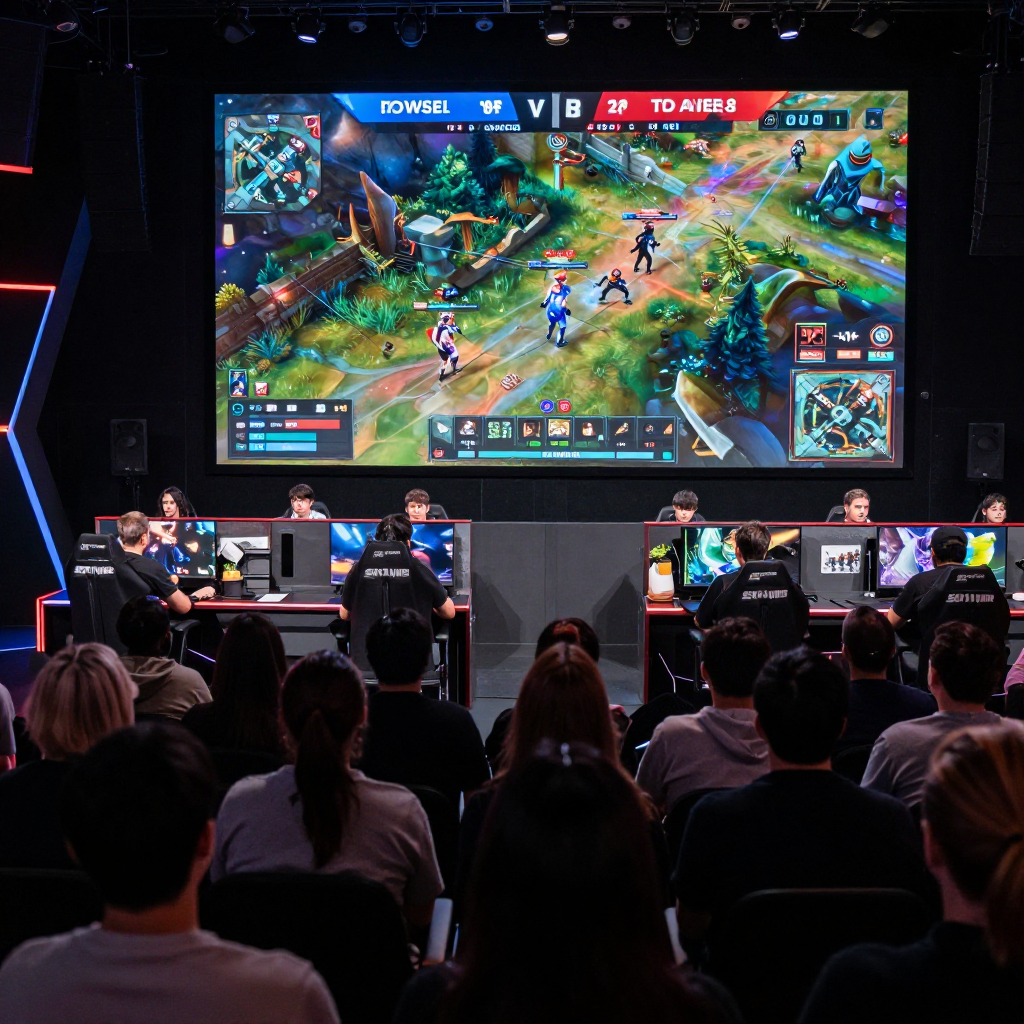
The latest game has tournament potential when players value decision-making, readable rules, and coordinated team play. Its competitive future will depend on balance updates, matchmaking quality, spectator tools, and whether the community can build stable formats around the available modes.
Skill expression is one of its clearest strengths. Players can separate themselves through mechanical execution, route selection, communication, target priority, and adaptation. A strong team does not win simply by choosing the most obvious option; it creates situations where several small advantages become decisive.
For tournaments, the most promising formats are those with clear objectives and limited ambiguity. Competitive matches should make it possible for spectators to understand why a team is winning. Visual clarity, readable cooldowns, clear scoring, and reliable replays all matter. A game may be excellent for private competition yet difficult to broadcast if viewers cannot follow the action.
Balance is the major qualification. If one strategy dominates, the metagame narrows and tournament preparation becomes less creative. Frequent balance changes can solve that problem, but they also create instability for teams practicing for scheduled events. Organizers should establish rules for patches, map pools, disconnects, and rematches before running a bracket.
Matchmaking has a similar trade-off. Strict skill matching protects new players, while faster queues create a smoother casual experience. The ideal system separates those goals through distinct casual, ranked, and tournament environments.
Performance, Accessibility, and Presentation
Performance and accessibility determine whether the latest game’s strong design remains enjoyable outside ideal conditions. Stable frame rates, readable interfaces, sensible loading, and flexible control options matter as much as visual polish, particularly in competitive matches.
The presentation supports the action with clear visual feedback and an audio mix that helps players identify important events. Good effects make attacks satisfying, but clarity should come first. When the screen fills with overlapping animations, players need dependable indicators for damage, objectives, status effects, and incoming threats.
Technical quality should be judged across the full experience rather than by launch impressions alone. Check for frame-rate consistency, input delay, crashes, matchmaking errors, server disconnects, and whether performance changes significantly between platforms. A beautiful game that loses responsiveness during crowded encounters creates a direct gameplay problem.
Accessibility options can broaden the audience considerably. Remappable controls, subtitle customization, color-adjustment settings, scalable interface elements, difficulty choices, and assist features allow more players to participate without reducing the challenge for those who want it. These options are especially valuable in multiplayer communities, where friends may have different needs.
There are practical compromises. Higher visual settings may improve atmosphere while reducing performance, and additional interface information may help beginners but clutter a competitive layout. Players should prioritize stable input and readable information over maximum graphical detail.
Final Verdict: Is It Worth Your Time?
Yes, the latest game is worth prioritizing for players who want a flexible experience that works as a campaign, a multiplayer game, and a possible tournament platform. Its core gameplay mechanics provide enough depth to reward practice, while the range of modes gives groups several ways to spend time with it.
The main drawbacks are equally clear. Solo players looking for a powerful story may find the campaign less compelling than the gameplay. Casual players may encounter a learning curve that feels demanding, and competitive players will need to watch balance changes before committing to serious tournament preparation.
Think of the decision through four filters:
- Enjoyment: Do you like repeating matches to improve?
- Time: Can you invest several sessions learning systems rather than expecting instant mastery?
- Community: Do you have friends, teammates, or a local tournament scene to extend the experience?
- Stability: Does your platform provide the performance and connection quality the game requires?
If most answers are positive, the latest game offers strong value for money and a worthwhile place in a games-and-tournaments library. If you want a brief, plot-first adventure with minimal repetition, it is better treated as a secondary choice. Its lasting strength comes from play, practice, and competition, not from simply reaching the credits.