The Best Free-to-Play Games You Can Enjoy Right Now
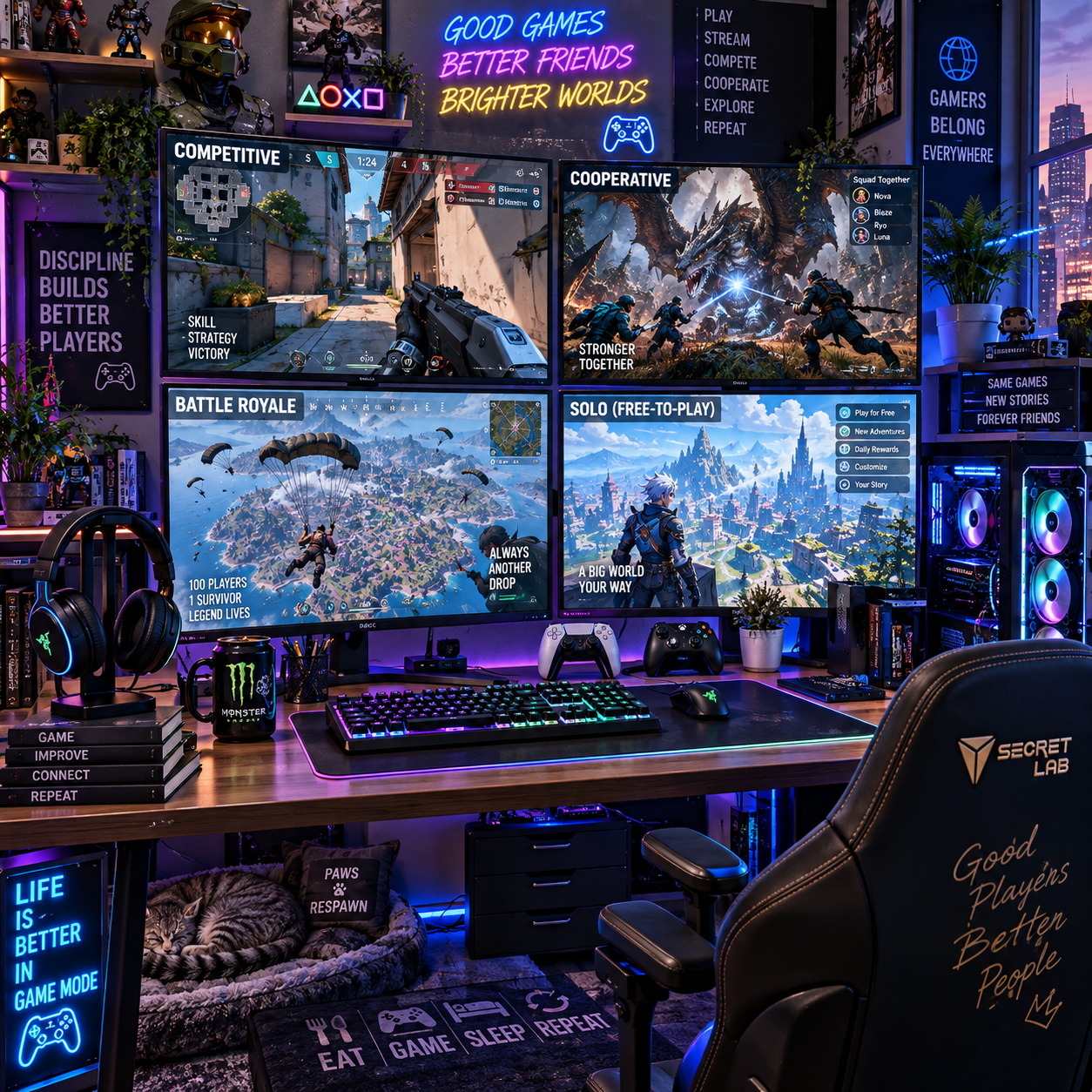
Free-to-play games have become some of the most complete experiences in modern gaming. You can compete in ranked matches, explore large worlds, join friends across platforms, or play a quick round without buying a premium release first. The challenge is choosing from thousands of options while understanding their platforms, communities, hardware demands, and in-game purchases.
This guide organizes the strongest choices by player type rather than pretending there is one universal winner. Some games are built for esports tournaments, others work best for short social sessions, and several offer surprisingly satisfying solo progression.
How to Choose a Free-to-Play Game
To choose a free-to-play game, match its genre, platform, session length, social features, monetization, and hardware requirements with the way you actually play. A visually impressive game is a poor choice if your device cannot run it smoothly or its community does not suit your preferred pace.
Start with genre. A battle royale such as Fortnite, Apex Legends, or Call of Duty: Warzone emphasizes survival, positioning, and high-pressure matches. A MOBA such as League of Legends or Dota 2 rewards long-term strategy, role knowledge, and coordinated teams. Hero shooters, card games, fighting games, racing games, and massively multiplayer online games offer different learning curves.
- Platform: Check whether the game is available on PC, PlayStation, Xbox, Nintendo Switch, Android, or iOS.
- Play style: Decide whether you prefer solo progression, cooperative gaming, ranked competition, or relaxed matchmaking.
- Community activity: Look for active matchmaking, regular developer support, beginner-friendly guides, and communities that organize events.
- Hardware: Confirm the minimum requirements, storage space, connection quality, and performance targets before downloading.
- Monetization: Check whether purchases are cosmetic, time-saving, seasonal, or capable of affecting competitive balance.
- Accessibility: Features such as subtitles, remappable controls, colorblind modes, aim assistance, and cross-platform progression can greatly affect comfort.
A useful filter is the three-session test: play once for discovery, once with friends or matchmaking, and once after learning the basic systems. If the game remains enjoyable after the initial novelty fades, it is more likely to earn a place in your regular rotation.
Best Free-to-Play Games for Competitive Players
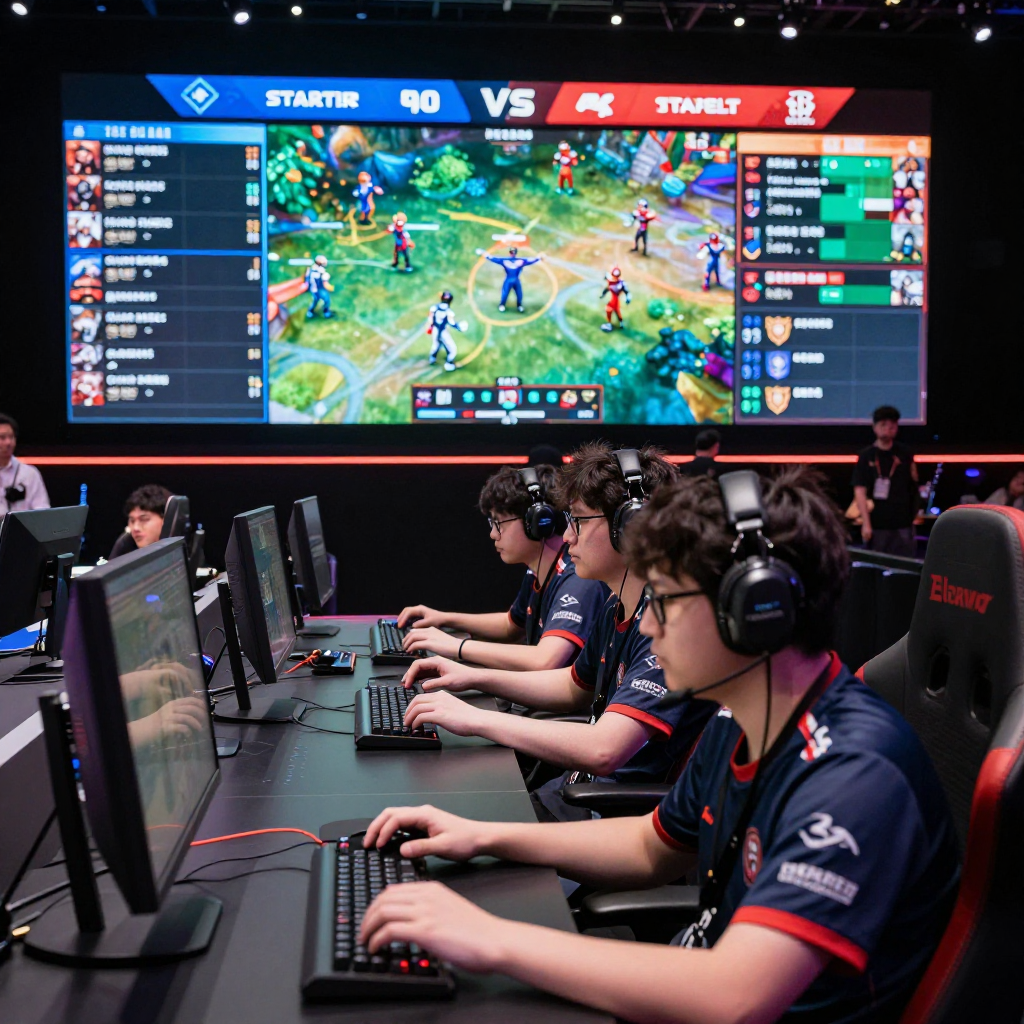
The best free-to-play games for competitive players combine readable rules, skill-based progression, ranked modes, strong matchmaking, and an active tournament ecosystem. They reward practice rather than requiring a large purchase to access the full competitive experience.
League of Legends and Dota 2
League of Legends and Dota 2 are leading MOBA choices for players who enjoy team strategy. Each match involves lanes, objectives, resource management, hero or champion selection, and coordinated fights. Their depth is substantial, so beginners should focus on one role and a small group of characters instead of trying to learn the entire roster immediately.
Both games have clear esports relevance, although they demand longer sessions than many action games. Communication, map awareness, and emotional discipline matter as much as mechanical skill.
VALORANT and Counter-Strike 2
VALORANT combines precise tactical shooting with character abilities, while Counter-Strike 2 centers on economy management, positioning, recoil control, and round-based teamwork. These are excellent choices for players who want measurable improvement through aim practice, tactical review, and ranked competition.
They also suit tournament play because matches have defined rounds and team structures. The trade-off is a demanding learning curve: one poor decision can affect an entire round, and voice communication often makes a significant difference.
Fortnite, Apex Legends, and Rocket League
Fortnite and Apex Legends offer competitive battle royale experiences with different identities. Fortnite emphasizes building or tactical movement depending on the mode, while Apex Legends focuses on squad composition, mobility, gunplay, and positioning. Rocket League turns football into a physics-based competitive game that is easy to understand but difficult to master.
These games commonly support ranked ladders and organized events, but internet stability and frame rate are important. Small input delays can affect close matches, particularly at higher skill levels.
Best Free-to-Play Games for Casual and Social Play
The best casual and social free-to-play games make it easy to join friends, understand the objective, and enjoy a useful match even when you have only 15 to 30 minutes. Flexible modes matter more here than a complex competitive ladder.
Fortnite remains a strong social platform because it offers multiple experiences beyond its main battle royale mode, including creative activities and limited-time events. Fall Guys provides short, humorous obstacle-course rounds that work well for mixed-skill groups. Among Us is another accessible choice when conversation and deduction matter more than reflexes.
For players who prefer team action, Overwatch 2 offers objective-based hero shooter matches with distinct roles, while Warframe blends fast movement, missions, loot, and cooperative progression. Both can be played casually, although their large rosters and systems take time to understand.
Cross-platform play can make a major difference. Before inviting friends, confirm whether the relevant version supports shared matchmaking, voice chat, and progression across your devices. Cross-play improves access, but it can also introduce differences in controls, performance, or competitive balance.
Best Free-to-Play Games for Solo Players
The best free-to-play games for solo players provide meaningful progression, exploration, challenges, or story content without requiring a permanent team. Multiplayer features may remain available, but the core loop should still work when you play alone.
Genshin Impact offers exploration, character collection, environmental puzzles, and a large narrative world. It is available across several platforms, though cross-save support can vary by platform and account setup. The game is approachable at first, but its gacha-based character and weapon systems require careful spending boundaries.
Warframe is particularly strong for solo players who enjoy movement, crafting, mission variety, and long-term progression. Its systems can feel confusing at the beginning, so following the early quest path and using community resources helps. The upside is a deep amount of content for players willing to learn its vocabulary.
Path of Exile suits fans of dark fantasy action role-playing games who enjoy character builds, loot, and theorycrafting. It offers enormous customization, but that depth creates a steep entry barrier. New players should expect to consult guides rather than assume the most obvious skill choices will produce an effective build.
For a lighter commitment, Hearthstone provides compact digital card matches, while Yu-Gi-Oh! Master Duel appeals to players who enjoy highly technical card interactions. Both are solo-friendly in the sense that practice modes, ranked queues, and progression do not require a regular group.
Best Free-to-Play Cooperative Games
The best cooperative free-to-play games give teammates distinct ways to contribute, shared objectives, and enough variety to remain enjoyable after the first few sessions. Cooperation works best when success depends on coordination rather than simply placing several players in the same match.
Warframe is a flexible option for squads that want fast missions and long-term progression. Players can combine different frames and equipment to handle combat, defense, mobility, or support tasks. Destiny 2 also offers cooperative strikes, raids, seasonal activities, and competitive modes, although its content structure and available expansions can change over time.
Overwatch 2 is built around team roles, making it a natural choice for groups that enjoy communication and objective control. Players who prefer slower tactical decisions may favor a MOBA, while those who want immediate action can choose a hero shooter or battle royale.
Deep Rock Galactic: Survivor is a notable example of a solo-focused spin-off, but players seeking traditional cooperative gaming should check the current platform and edition details carefully. Free-to-play availability can differ between a base game, a trial, a promotional period, and a genuinely unrestricted version.
When choosing a cooperative title, ask three questions: Can beginners contribute? Does the game punish uneven skill levels too harshly? Can the group leave after one mission without losing significant progress? Those answers predict whether a game will support a healthy weekly routine.
What to Know About Free-to-Play Monetization
Free-to-play monetization means the game is available without an upfront purchase, while revenue usually comes from cosmetics, season passes, expansions, convenience items, or randomized rewards. Free access does not mean every feature, character, or progression path will be equally unrestricted.
- Cosmetic purchases: Skins, emotes, weapon designs, banners, and effects usually change appearance without changing competitive power.
- Battle passes: Seasonal reward tracks may provide cosmetics, currency, or limited progression incentives. Check how much time remains before buying.
- Progression boosts: Experience boosts or resource bundles can reduce grinding, though they may make the free path feel slower by comparison.
- Gameplay unlocks: Some games sell characters, cards, or equipment. Review how quickly free players can earn them and whether they are legal or practical in ranked play.
- Randomized purchases: Loot boxes and gacha systems can make spending unpredictable. Set a budget and use platform parental controls where appropriate.
The key question is whether spending changes appearance, convenience, or outcomes. A cosmetic-heavy model is generally easier to evaluate than a system where payment can directly improve a player’s competitive options. Regulations, age ratings, and consumer guidance vary by region, so players should check official platform information before spending.
How to Get Started and Find Tournaments
To get started, verify the official platform version, system requirements, account rules, and ranked modes before joining a community or tournament. A few minutes of preparation can prevent compatibility problems and unexpected entry requirements.
- Choose one game that fits your preferred genre and session length.
- Check its official store page for supported platforms, storage needs, cross-platform play, age rating, and current access rules.
- Play unranked or tutorial modes until you understand the main objective, controls, and team roles.
- Join a moderated community through the game’s official channels, a reputable esports platform, or a local gaming group.
- Read tournament rules carefully, including allowed regions, platform restrictions, team sizes, anti-cheat requirements, match reporting, and prize conditions.
For reliable background on esports structures and competitive gaming terminology, the Wikipedia esports overview provides a useful starting point, though tournament rules should always come from the organizer.
Look for weekly cups, community leagues, ranked events, and platform-hosted competitions rather than waiting for a major championship. Smaller tournaments are often better for first-time competitors because they provide shorter formats and clearer feedback. Competitive gaming should remain enjoyable: choose events that match your experience, protect your account, and avoid organizers who request unnecessary personal or payment information.
Frequently Asked Questions
What does free-to-play mean?
Free-to-play means you can download and begin playing without paying an upfront purchase price. The game may still offer optional in-game purchases, season passes, expansions, or paid content.
Are free-to-play games worth playing without spending money?
Many are. Competitive games such as VALORANT, Counter-Strike 2, League of Legends, and Rocket League can provide a complete core experience for free. The main cost may be time spent unlocking content or learning complex systems.
Which free-to-play games are best for competitive players?
VALORANT, Counter-Strike 2, League of Legends, Dota 2, Fortnite, Apex Legends, and Rocket League are strong choices because they offer ranked play, skill development, active communities, and tournament potential.
Can free-to-play games be played across different platforms?
Many support cross-platform play, but not all do, and features may differ between PC, console, and mobile versions. Confirm cross-play, cross-save, and voice-chat support on the official game page.
How can players find tournaments for free-to-play games?
Check official esports pages, reputable tournament platforms, community Discord servers, local gaming clubs, and in-game event announcements. Always read eligibility, anti-cheat, scheduling, and prize rules before registering.
The right choice depends on your routine. Pick a MOBA or tactical shooter if you want structured competition, a battle royale or Rocket League for fast repeatable matches, Fortnite or Fall Guys for social sessions, and Warframe or Genshin Impact for solo progression. If tournaments are the goal, start with one game, learn its ranked fundamentals, and enter small events before moving to larger esports competitions.